29.5.07

Three photos


Unpacking my photos I find lots from France but I especially like these three.


                                        Resnais dreaming


In Brittany

dark grey granite houses
tuck low into the landscape
like rocks
darker hedgerows protect them
from the winds we walk into
along the coast

small red tractors
plough patches of pink soil,
across the narrow road
eschallots burst
from black plastic groundstrips

this is the kind of place
you’d locate a film
but not live in,
Godard made one here
but none of us
remembers it

bleached & tufted grasses conceal
the purple thistle
on the windswept bank
above a glinting choppy bay

a group of hikers
singing loudly
strides by
just outside the house

& here comes Daniel,
with a wicker basket
of saltwater prawns -
back from fishing in the rocks

some of the last beret-wearers
of the 21st century
are on their knees
weeding their fields

at sunset
the rye field blurs
like double vision


                                        Godard dreaming


(click to enlarge images)


25.5.07

The Lee Marvin Readings


                    THE LEE MARVIN READINGS

                JUNE PROGRAM

                Adelaide * South Australia


22.5.07

awake and refreshed
    tho with nothing on the page


Derek Motion reviews Peel me a zibibbo in the latest issue of galatea resurrects and ends with two lines from
Ken Bolton, quoted from the title poem.


Peel Me A Zibibbo is a group of recent poems - five poems written for friends. It's a 14 page C5 sized chapbook. Here's the title poem -

 Peel me a zibibbo

I could go
in any direction
but it's best that here and now
I remain lesbian,
keep my vanishing cream
sealed.
I'll go south
eventually
to follow the sheen
of your signals,
in the meantime
my problem's like how to
design a wall didact -
serif or not's
a big decision

*

it's October so
the bogong moths
are back
and the koels - the October
crack of dawn racket -
are back again too,
mauve jacaranda petals
are stuck
on the windscreen wipers rubber

*


by now the wall text task
is impossible -
application decreasing,
attention span diminishing -
transparency an aim,
how coded the coding

*

imperfection in kindness
comes with the void,
you need to
choose
the 'I'm feeling lucky' google option

*

drinking in the cemetery
sounds like an early
Nick Cave song
but it's
something-to-do,
it's also the subject
of Paddy Fordham's
drawing

*

should I start carrying
my books
in clear plastic bags
inside
my polyester document bag,
is this a solution ?
16° centigrade
95% humidity
what a precipitate place

*


shouting Shakespeare aloud
to the sea
in Surfers' Paradise
in 1964
after hurling your body down
fine off-white sand dunes.
now it's 2006
you're experiencing thanatos
high up on a Seidler balcony.
if you are in doubt
(slurp over drinks)
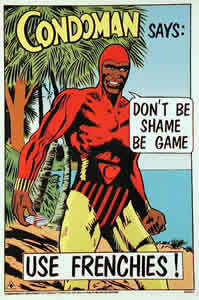
what gives the false poet
such confidence ?

*

awake and refreshed
tho with nothing on the page

*

John T phones -
this cloudy gloomy
early summer day
is 'like the fifties' he says.
every day ?
miserable childhood ?
photographic weather memory
à la recherche du temps inclément

*

I was reading
about the sweet potato farmers
of Osaka
living such long lives -
nonogenarians, centogenarians -
when Kurt called in with his new book
Hyper Taiwan
Taiwan - it's 'sweet potato island'

hi Kurt, hi John T,
hi Nick, Paddy, hi Shakespeare,
peel me a zibibbo
would you,
one of you guys ?


Ivy Alvarez writes a short review of My Lightweight Intentions


Never-Never Books * 157 Wentworth Street *
Blackheath * NSW 2785 * Australia


13.5.07

Meshings


NEW AT MESHWORKS :


Cambridge Experimental Women's Poetry Festival

Cambridge University, UK - October 2006
Organizer: Emily Critchley

The CEWPF feature brings you video documentation of readings and talks by:

Andrea Brady, Lisa Samuels, Kathleen Fraser, Susan M. Schultz, Rod Mengham,Susana Gardner, Geraldine Monk, Peter Middleton, Redell Olsen, Carol Mirakove, Keith Tuma & Justin Katko, Marianne Morris, Tom Raworth, Catherine Wagner, Coupons+Coupons, Camille PB, Kai Fierle-Hedrick, Kristen Kreider,Tim Atkins, Ken Edwards, Wendy Mulford, Peter Manson, Maggie O'Sullivan,Caroline Bergvall, Leslie Scalapino and Lucy Sheerman.

For more further documentation of the Festival, please visit the Archive of the Now and HOW2


Unpacking my posters I found this one screenprinted by
Ken Bolton in 1979 or 1980 for the Wollongong Poets’ Union reading series. It was printed at Coalcliff, on recycled matrix computer paper provided by Leigh Stokes (then of
Wollongong uni). It’s a beauty.


click on image to enlarge

10.5.07

Beat Scene


I don’t know where I’ve been for the last 50 issues of Beat Scene but until John Tranter lent me a copy of number 51 just the other day, I had never seen it before. And if you’re interested in the Bolinas Scene (and I am) it’s a great issue of this terrific magazine from Coventry in England, edited by Kevin Ring.


             Cover photo: Lewish Warsh & Anne Waldman in front of Angelica & Tom Clark’s house, Bolinas, California, 1968 (foto : Tom Clark)

Number 51 has articles, interviews, photos, book covers -
Alice Notley, Ted Berrigan, Allen Ginsberg, Lewis Warsh, Tom Clark, Philip Whalen, Joanne Kyger, Robert Creeley, Anne Waldman, William Burroughs, Gilbert Sorrentino, Jack Kerouac, Ron Padgett, Joe Brainard, Michael McClure, Bill Berkson - and the list goes on.


                              Ted Berrigan

I like this magazine. I’ve ordered number 51 and other copies from the Beat Scene website. If you’re an old beatnik poet like me you should do likewise, daddio. And thanks, John T. for sending it to me.


remember, click on the images to enlarge them

8.5.07

Red Room Event


The Sydney Writers' Festival &
The Red Room Company
present

Occasional Poetry

An installation of poems, mannequins and materials that investigate poetry's relationship with costume, fashion and the slogan.Taking the wit and disguises of the late Australian poet, Gwen Harwood, as its “muse” The Red Room Company has commissioned three Australian poets to each write a poem for an occasion.

Featuring poetry by
Adam Aitken, Greg McLaren and Claire Potter.

On Sunday June 3rd at the End of Season Party the participating poets will give a reading and poet and associate editor of Jacket, Pam Brown, will deliver the 2007 Mineslec (‘miniature essay/lecture’), a public address on the topic of occasional poetry, pseudonyms and fashion.

Installation venue:
‘Simmer on the Bay’
Walsh Bay
Thursday 31st May - Monday 4th June

End of season party:
Readings and Mineslec

(poems will be available to wear)
Bangarra Mezzanine
Wharf Theatre
Hickson Road
Sydney

Sunday 3rd June at 6.30pm

free or by donation

Visit the Occasional Poetry site.


30.4.07

Tick tick tick
Coming up in May...


Poetic impermanence at work :

The Australian editor of Poetry International Web, poet and founding editor of Vagabond Press, Michael Brennan has just updated the Australian component of the site, including expanded entries with poems and critical work on Gig Ryan, JS Harry, Jane Gibian and my own poetry


                                                Hi Michael


HAPPY ANNIVERSARY OTOLITHS
one year old today


                                                Otoliths #5 cover

The editor, MARK YOUNG, says :

It's also May Day, so arise & join in a chorus of ‘The Internationale’ with Paul Siegell, Andrew Topel, Jordan Stempleman, Ernesto Priego, Paolo Manalo, Eileen Tabios, Jeff Harrison, Katrinka Moore, Corey Mesler, Raymond Farr, Steve Rodgers, Robert Lee Brewer, Mark Cunningham, Martin Edmond, Steve Timm, James Sanders, Audacia Dangereyes, Thomas Fink, Spencer Selby, Maria Zajkowski, Richard Lopez, Marcia Arrieta, Tom Hibbard, Matina Stamatakis, Louise Landes Levi, Márton Koppány, Anny Ballardini, Jill Jones, Craig Santos Perez, mIEKAL aND, Dax Bayard-Murray, Ed Schenk, MTC Cronin, Alana Madison, Alexander Jorgensen, Andrew Taylor, Carol Novack (& Stan Crocker), Stephanie Green, Maurice Oliver, Caleb Puckett, David-Baptiste Chirot, Derek Motion, James Maughn, Michael Rothenberg, Tom Beckett, Nick Piombino & Richard Kostelanetz as they "change henceforth the old tradition".


                                                Mark Young, 2003


Blackheath Philosophy Forum
on again this coming Saturday. May 5th.


Literature as Experimental Philosophy:
George Eliot on Truth and Realism

A talk by Moira Gatens
Professor of Philosophy, University of Sydney


In our era an idea is abroad that fiction has little to do with truth, and that novelists are a species of liar. George Eliot, one of our greatest 19th Century English novelists, considered her work in fiction to be both realist and truth-seeking. In one letter she referred to her writings as a set of experiments in life. Through an examination of some of her novels, this talk will endeavour to explain what Eliot meant by ‘realism’ and what is involved in her commitment to truth. Moira Gatens will argue that Eliot’s worldview still has much to contribute to moral philosophy today.


Blackheath Public School Hall
corner Great Western Highway and Leichhardt Street,
Blackheath

4.00pm Saturday May 5th
$5.00 entry

coffee and cake available

pub talk after the talk


                                 Siena, 2002. Foto by Olivo Barbieri


: : PAPER SCISSORS ROCK : :
: : WHAT MAKES THE ART WORLD TICK : :


: : CRITIC, DEALER, ARTIST, CURATOR, COLLECTOR : :
How they co-operate or don't, how they put pressure on each other, or take turns to own the art. A forum on the different social actors and professionals in the contemporary art world, and their interdependence. The power of a work of art, the influence of critical evaluation, the role of the art market, the rhetoric of sales.

Petra Arends : Wayne Tunnicliffe : Ted Colless :
Peter Hill : John Young : Amanda Rowell :

Moderated by George Alexander : curator, writer, coordinator
Contemporary Programs, Art Gallery of NSW.


A component of An Incomplete World
Warhol, Lichtenstein, Kiki Smith, Hirst
Ruscha, Cindy Sherman, Richter
Sydney 19.5 - 29.7
Art Gallery of NSW


16.4.07

Katoomba poem


                               Katoomba, (view from Leura), Autumn 2007

Sydney poet Adam Aitken has written a poem set in Katoomba, a tourist town in the Blue Mountains west of Sydney. He says - It is an allegory about the "history wars" debate, in which one side is the voice of white settler descendants who deny their complicity in the colonisation of the country and their part in the decline of Indigenous power. This suggests to me an image of the Garden gnome (the white settler) standing next to a stereotype "Native". Together they claim a false mateship and solidarity which the migrant/cosmopolitan stranger will never have. (The strange tourist only wants a view, some fresh air and peace and quiet, not politics.) A poem about (not)belonging (once again!)


Katoomba

While jogging
on a freezing winter's morning
history never feels
cleaner or more
freehold


than a 1950s
catalogue of multiplying accents
at Echo Point's landscape exclusive -
having settled here
for the "cure "
for walks, bush, art and open fire,
in short
for a sense of belonging.


After a couple of months of thinking
you are tolerance incarnated
you pass
a loin-clothed Aborigine
standing with a spear
on one leg
next to a white garden gnome
sharing smokes and taking in the view


as if they owned the place


and they'd seen you coming
and stared,
and knew all about you
a thousand years
before,
as if they owned the place
one thousand years
before.


                                            Adam Aitken, Glebe, Summer 2006


13.4.07

Dear viewers

Just a note for the five regular visitors and the two or so strays :
'The deletions' is best viewed using Safari and Mozilla Firefox browsers.
And if you'd like to see larger versions of the photos just click on them.


4.4.07

Scribblings poems


For the Time Being: The Bootstrap Book of Poetic Journals
edited by Tyler Doherty and Tom Morgan
has just been published by Bootstrap Productions


It's a collection of the kind of poetry that records, or, at least, begins from the quotidian of place, often written in the first person and usually taking off into poetic enquiry in a consciously temporal mode. Poetry that the editors describe as 'Journal Poetry' :

It includes work from:

Bob Arnold ↔ Ken Bolton ↔ Daniel Bouchard ↔ Pam Brown
Thomas A. Clark ↔ Jack Collom ↔ William Corbett ↔ Tyler Doherty ↔ Marcella Durand ↔ Ryan Gallagher ↔Jonathan Greene ↔ Joanne Kyger ↔ Louise Landis Levi ↔ Joseph Massey ↔ Rachel McKeen ↔ Tom Morgan ↔ Hoa Nguyen ↔ Shin Yu Pai ↔ Mark Pawlak ↔ Michelle Naka Pierce ↔Stephen Ratcliffe ↔ Michael Rothenberg ↔ Andrew Schelling ↔ Joel Sloman ↔ Dale Smith ↔ Stacy Szymasek ↔ Aaron Tieger ↔ Joseph Torra

For more information and to buy a copy at US $18
contact Derek Fenner and Ryan Gallagher at bootstrapproductions@gmail.com
Bootstrap Productions


21.3.07

high hills poems


Wordly goods


on this last day
of February
outside Cupid's Cup Cakes
on the main street
of this utterly strange
hilly town,
dawdling down
to Iso Bar
to take account
of the planet's fields -
wild beast grazing,
a scene cut intermittently
with alluring products
carried up street poles
by narrow vertical lines
cabling connection
to anywhere else

hoping for a place
deep in the shade,
verandahs all around,
somewhere to contemplate
what brought us here
to such manicured beauty -
formal garden hedges,
well-tended kerbs

no gangs  no blades
up here in the hills,
just x-box and the dole

they say
the kids are drunk
or on ice
at their clubs
or anorexic wherever
in rehab.
hopeful beginnings,
promised more
than pleasure,
but
they're not grown up,
not a..d..u..l..t
just caught in a reverie,
not ready
for voting driving loving
working cooking
learning new languages
new skills, talents,
what legacy ?

*

without income
for the first time
in a long long time
sounds like a song
coming on
(undercurrent worry
too)
on the last day of February,
the end of four months
on the road,
anyway, without
a fixed address

and the sun shines down
around, all around,
waiting for the book exchange
to open
to hire a computer
to check the mail, and the spam
and the petitions,
to let the government know
we don't like it ! at all !
etcetera no we don't !
illegal detainees, climate change,
education policy, refugees,
equal rights for gays,
indigenous land rights,
justice, etcetera.
my ergonomic-chair activism,
today
the mere thought
of these emails
only exasperates

perhaps I'll delete them
straightaway

*

all my things
boxed and stored interstate,
I miss some of the stuff,
need it, even,
most of it
I've forgotten
as a sanyasin
travelling
on air
might


My poem Worldly goods is set in Katoomba in the Blue Mountains, Ken Bolton, co-ordinator of the Lee Marvin Readings in Adelaide, wrote a poem in response, but he hasn't been to the Blue Mountains for many moons and has mistaken the place for Blackheath, a town that could benefit, variously, from having an Iso Bar :

Mademoiselle Apollinaire in Blackheath

      for Pam Brown


In the end you are tired of living between always between

& wend your way to the Iso Bar here rather than in
Adelaide tho there is an Iso Bar in Adelaide too

You have lived in Adelaide

You have had enough of leaving Sydney
for Melbourne never to arrive

Blackheath’s Iso Bar must do
connecting you electronically to the world

making modern the cow in the nearby field
the hill the old car coming down the road

& in it a modern farmer Denis Gallagher say

more a poet really than a farmer
a gardener

something modern like a well-tended kerb
or the distemper of youth

a lawnmower a ladder crack cocaine TV
anorexia

& the sun shines down
waiting for the book-exchange, a computer

& politics
—to be avoided some days

others to be embraced—
Politics

In our ergonomic chairs
You remove us from abstractions the expansion of the
   spirit—

producing heat
involving the body

Like something intense & blue in Chagall
the memory of an object—a shirt a book an

ashtray with paperclips & your pencils in
a bottle, bound with an elastic band

You will have them soon
A sanyasin travelling on the air at night

lands at home
the moths batting about you as you write

Life tossed off like a glass of spirits
For who can stand outside time


     Ken Bolton, Adelaide, a couple of years ago.

5.2.07

Lingering in Leura


There's something odd about this town. Look at this hedge. Look at the height of the standard telegraph pole towered-over by this hedge and my car, reduced to Matchbox-Series size alongside this hedge. Who clips this hedge ? The shears giant ?

The people of Leura like to call it a 'village' rather than a 'town' and the tiny main street is, to quote a friend of a friend, a kind of 'Disney Village'. There are pot-pourri-style shops, olde worlde cafes and antiques and collectables, and stressed walls, lace curtains and more chintz and curlicues than Sydney's Paddington and Balmain combined.

If you drive down the main street and continue to the very end you come to a cliff edge with an enormous vista of blue mountains and valleys - nothing but old gum forests from there to the horizon. And, just above an ironstone amphitheatre on the cliff's edge, fenced-in, chained together and forever gazing at the vista are the grand figures of Olive Oyl and Boofhead.


A strange relationship. Did Olive Oyl ever meet Boofhead ? Did Popeye ? These are the deep pop cultural enquiries that gripped me as I gazed out at the huge vista myself.


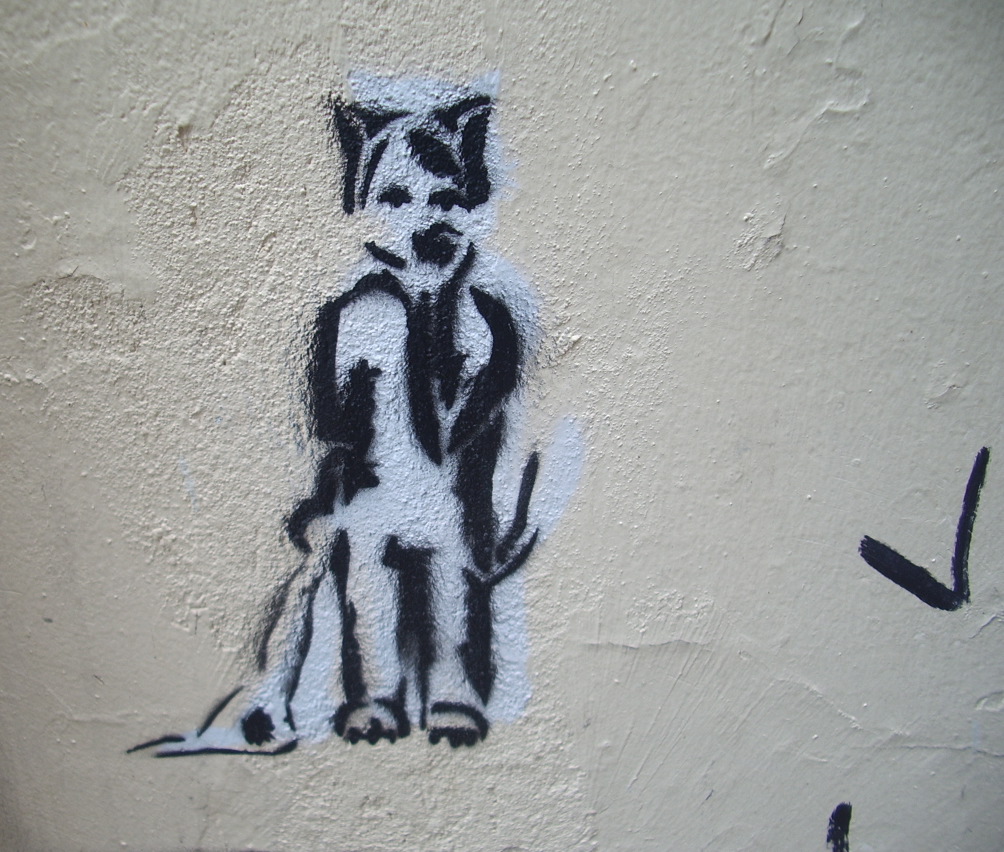
We are lingering in Leura while we wait to move to our next (and permanent) address in Blackheath. And, serendipitously for the blog, there is a strange stencil graffiti on the footpath just outside the house. It seems to be more in the style of the curlicues than under the influence of the comic book detainees. Heading up the footpath there are two more - spaced about thirty metres apart. Hmmm…. three alter egos, avatars, femmes fatales ?


Slavoj Zizek posits ribett ribett ♥ slurp and burp


1.1.07

Blue Mountains Break
Mirror of the World


White cloud drifting up from the Megalong Valley - that's the morning view from the window of the rented house on Narrow Neck Road, Katoomba where we are staying for the first week of January. It's very quiet here. I remember Sasha once saying that it was so quiet at the writers' retreat in this town that all you ever heard was the occasional sound of some other resident using the photocopier. From this place we hear a variety of birdcalls, the distant metallic kind of creaking of a long coal train on its way through the mountains to and from Lithgow a couple of times each day and, at night, the rumble of trucks driving along the Great Western Highway some distance from here.

There have been a couple of storms since we arrived. The thunderclaps are incredibly loud.

The old refrigerator in the laundry of the house gives off an annoyingly constant hum as it goes into one of its cycles several times in the day and night.

The lack of noise is hardly something to complain about but I am looking forward to next week when we move to another rented house in Leura, the next town to the south,
which actually faces a through-road to Wentworth Falls where there'll be some traffic to occupy the enormous available soundscape.

I've taken the advantage of having plenty of time and no distractions over the holiday week to read many articles and essays in various hard-copy subscription magazines - Art Monthly, the London Review of Books, overland, The Monthly, real time and the latest issue of Artlink which has a series of interviews with the people they call elders of the artworld, meaning influential and ageing Australian art historians, curators, lecturers, gallery directors and visual artists like Bernard Smith, Daniel Thomas, Donald Brook, the late Joan Brassil, Frank Watters, Bert Flugelman, the late Joan Kerr, Butcher Cherel Janangoo, Ray Crooke, Sally Gabori, Paula Paul, May Moodoonuthi (Bentick Island painters who work from the Aged Persons Hostel on Mornington Island), film-makers Arthur and Corinne Cantrill and many others. There is also Marina Strocchi's article on the mid-1990's beginnings of the senior women painters from the Ikuntji Womens Centre west of Alice Springs in Central Australia, one of whom, Ningura Napurrula, was invited to have her work grace the walls of the recently opened Musée du Quai Branly in Paris.

I have also read Martin Edmond's new book Luca Antara : Passages in search of Australia. It is an unusual book - a 'bookish' book in that Martin recounts his own historical interests and research obsessions via the books he reads about them. These obsessions follow in the wake of the 17th Century Portuguese and Dutch voyages on the Indian Ocean side of Western and Northern Australia. The books and maps that Martin, whose day job is as a Sydney taxi driver, studies are acquired from extraordinary antiquarian bookshops - one of which leads him into an encounter with an odd couple and, subsequently, a libertarian-style sexual affair. Martin is an original, exacting, and measured writer and I found it very pleasurable to read his descriptions of Sydney, especially of buildings that no longer stand or are irrevocably altered and that I remember as being as striking to me on my arrival in the city in 1968 as they are to the narrator of the book on his discovery of the city after arriving there from New Zealand. Places like the Sydney City Library in the grand old Queen Victoria Building and the now-vanished Anthony Hordern Building.

Luca Antara is a memoir but it is also an almost-scholarly enquiry into some of the speculative tales and fables around the early seafaring discoverers of Australia. It is multi-faceted. For example, intertextually, the author deals with the topic of hoax when, for an agreed fee, he ghost writes an undergraduate essay that leads him to the fictional poet Ern Malley. There is a feeling of mystery, uncertainty and of the fantastic that backgrounds the entire book - what is real ? what is dependable ? - as his obsessions unfold in both intellectual and actual journeys to places that include the Marquesas, Portugal, Paris, the straits of Malacca, Malaysia, Lombok and into encounters with possessors of old manuscripts like the weirdly mysterious Mr Henry Klang . He vividly describes the wreck of the 'Batavia' - a subject covered by several other Australian writers recently - on the premise of being engaged to write a film script. He becomes enthralled by the tale of a C17th Portuguese servant called Antônio da Nova who, abandoned during a mutiny on the coast of Western Australia, is rescued by an Aborigine who leads him on a long journey across the top end which becomes, of course, another journey of discovery of this continent, Australia.


Luca Antara : Passages in Search of Australia is published by East Street Publications


In December I visited Mirror of the World an exhibition of items on the theme books and ideas from the archives of the State Library of Victoria in Melbourne.
The catalogue explains - ”Books are mirrors of many worlds: worlds here and distant, past and present, real and imagined. Through text and image they act as keepers of ideas, of knowledge and of stories.
Mirror of the World: books and ideas provides an overview of the history of book production, design and illustration, dating from the Middle ages through to the present day.„
So it includes an ancient cuneiform tablet, the 15th Century book Myrrour of the worlde printed by William Caxton, hand-painted manuscripts and books of hours, the popular 19th Century folly, a midget library, old maps, etchings, aquatints, editions o Shakespeare, a selection of the 20th century classic orange and white Penguin paperbacks from the 1940s - 1960s, lurid threepenny thrillers (well actually 2 and 6 thrillers - cover price 2 shillings and 6 pence), woodcuts, topographical illustrations, Audubon's birds, and so on and artists' books.


      A palm-sized midget library and magnifying glass. 1895

The artists' books include a copy of the July 1915 war issue of Wyndham Lewis's magazine Blast with its futurist woodblock cover, the intensely decorative William Morris edition of The works of Geoffrey Chaucer and so on.
I was surprised to see, for the first time, a display of one of the open pages of the rare limited edition of the Katoomba-based Wayzgoose Press's book of Ken Bolton's poem Terrific Days of Summer. It's large and long - a wonderful object lying there encased in a glass box.


      The Wayzgoose edition of Terrific Days of Summer.


Mirror of the World runs through February.
The Victorian State Library is located at
328 Swanston Street
Melbourne
Entry to the exhibition is free.


9.12.06

Season's greetings


Best wishes to visitors to The Deletions for the silly season.

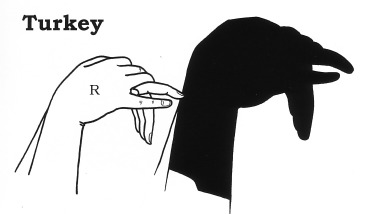
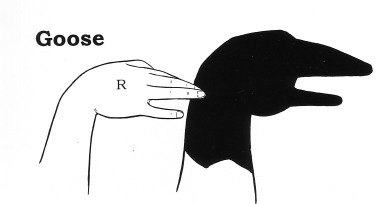
Carnivores - polish up the cutlery
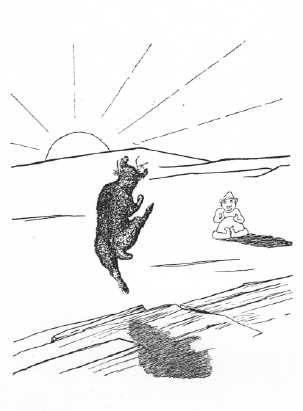
and enjoy your turkeys and geese.
Vegans and vegetarians - please use your hands.


I will be here
again in 2007


Good cheer
Happy new year
Pam Brown


1.12.06

Michael Callaghan
Elwood stencils
Poetry blogging


A retrospective exhibition of over thirty years' work by silk-screen printing poster artist Michael Callaghan opens at the Manly Art Gallery on Friday evening.
Michael was a printmaker with Redback Graphix in Wollongong and at the (in)famous Tin Sheds Art Workshop on City Road in Sydney during its heyday.

Michael Callaghan
A Survey 1967- 2006
6pm Friday 1 December
Manly Art Gallery and Museum
West Esplanade, Manly
To be opened by Ann Stephen
(curator with The Sydney Powerhouse Museum)


(Posters by Michael Callaghan)


In Elwood

I've been staying in Elwood, just south of St Kilda which is on Hobson's Bay to the south of Melbourne city. It is a generally neat suburb of leafy streets, brick bungalow-style houses and, increasingly, blocks of modern apartments. Walking to Elwood Village shopping area I pass these little stencils and this entrance to a garage in Ormond Road. They're quite different from the tougher inner-city stencil style you encounter on the more unkempt northern side of town - kind of sweet really.


On poetry blogging

Anny Ballardini editor of the multilingual poetry site fiera lingue has compiled an interesting analysis of poetry blogging as part of her project at the University of New Orleans.


23.11.06

IMPRO LAB


The Studio at Sydney Opera House
and De Quincey Co present

IMPRO-LAB: transparencies

IMPRO-LAB involves a collaboration with two legendary
Japanese artists, musician Sachiko M (Peril,
Player Piano) and vocalist Ami Yoshida with
renowned Australian artists: dancers Peter Fraser,
Yumi Umiumare, Tony Yap
and Tess de Quincey
alongside musicians Jim Denley (Machine for
Making Sense) on wind instruments, Chris
Abrahams
(The Necks) on keyboards, poet/vocalist
Amanda Stewart (Machine for Making Sense),
video artist Sam James and lighting designer
Clytie Smith.

Friday 24th & Saturday 25th November
at 8.15pm
The Studio
Sydney Opera House
(Entry fee :Adult $30
*Concession $25)

For more info and booking click here


15.11.06

Really brief notes
from the Princes Highway


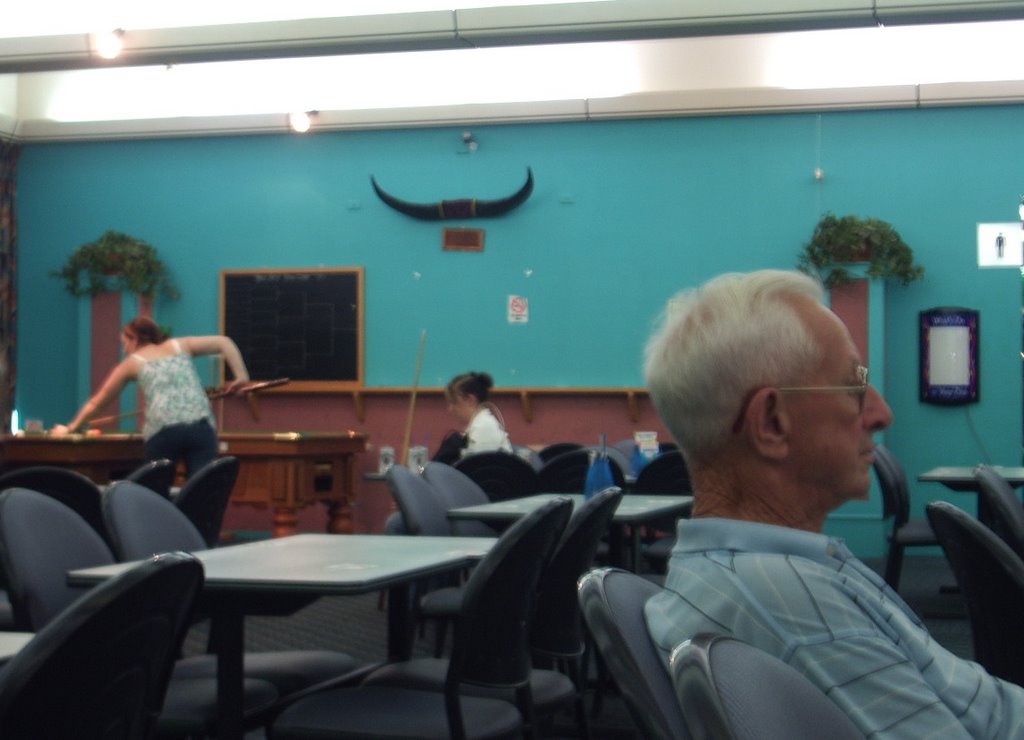
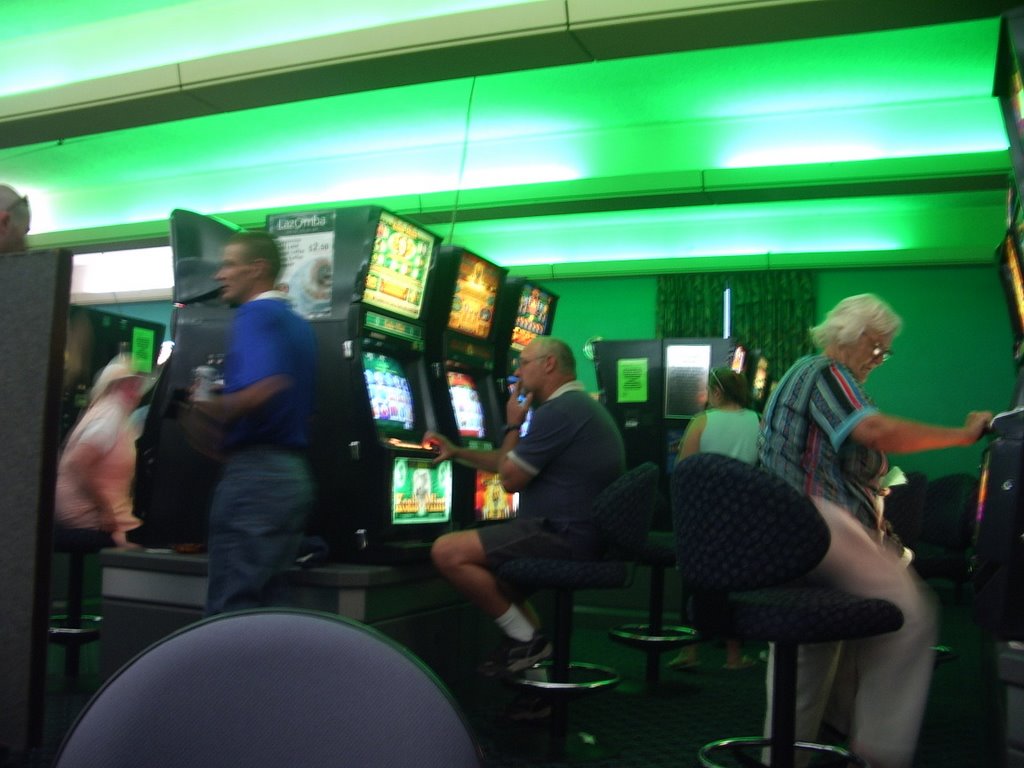
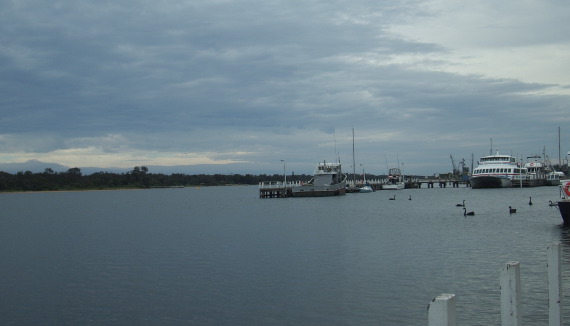
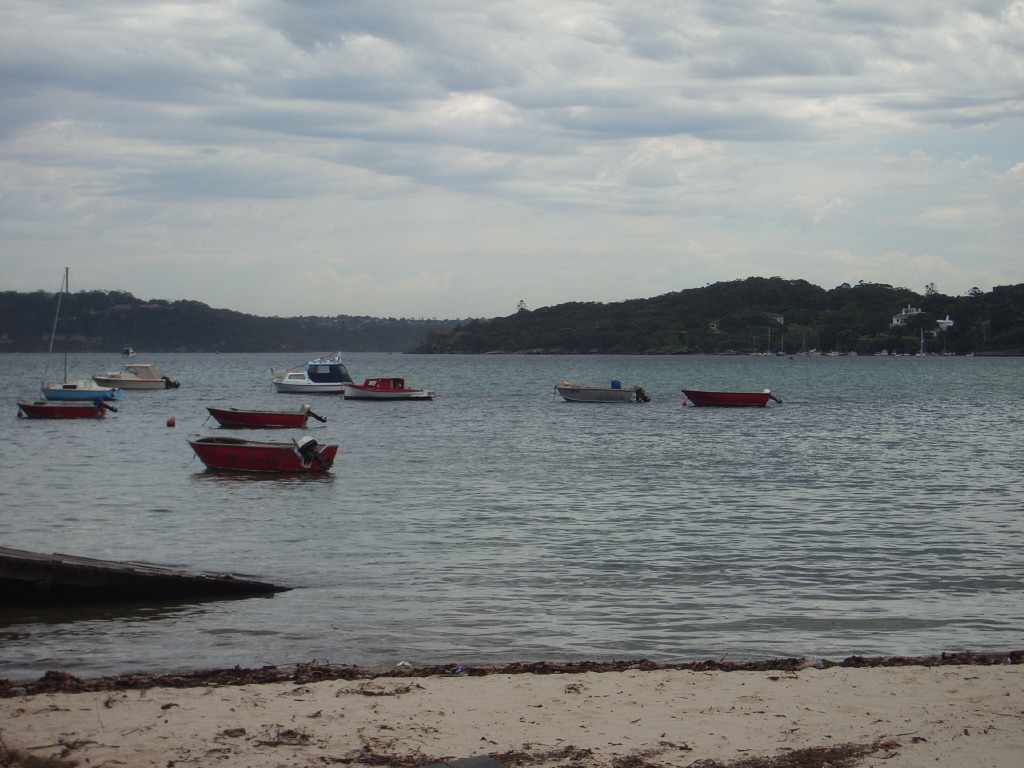
On the thousand kilometre drive down the east coast's Princes Highway from Sydney to Melbourne, Victoria, as we stopped off in various places I realised that a number of contemporary poets hail from the coast. One such stop was in a dairy farming town on a wide tidal river winding into a picturesque valley of farms sheltered by a distant low range - Moruya, once the childhood home of well-known poet John Tranter, friend, poetry colleague and editor of Jacket. (John's father, a teacher, farmer and soft drink manufacturer, moved the family to Moruya when John was four years old.) Tourist brochure - Moruya We stayed overnight in Bega, another dairy farming town in New South Wales, known for its cheese. A town associated, for me, with another friend, the poet and gardener Denis Gallagher who lived there for some time in the late 1970's/early 1980's. As most places in Bega closed for business around six p.m. and the pubs became disturbing sources of Indigenous peoples' loud existential arguing, we opted for dinner at the Bega RSL (Returned Servicemans' League) Club. It was a world unto itself - thick dark curtains covered every window to screen out daylight and summer's late sunsets and to affect, in fact, permanent evening. One huge room with a long bar and a glassed-in Keno booth on one end. The lurid green walls encased a square of rows of poker machines, smoking areas marked simply by a suspended sign that you step under from the non-smoking part of the room to the other, a pool competition with the usual chalk heiroglyphics on a blackboard and a traditional meat raffle in which a large number of locals participated, hoping to win trays of lamb chops, beef roasts and snags. All of this was accompanied by a cacophonous mix of sounds of the pokies, an enormous Sky channel sports screen, a juke box, the raffle caller and half-shouted conversations. Bega RSL Club, November 2006 Further along the highway there were half a dozen ways of heading west towards a hinterland dairy farming town with the slightly comical, beautiful name of Bombala. The formative home town of two experimental poets Michael Farrell and Geraldine McKenzie. Something poetic in the cow's milk on the southern New South Wales coast ? Crossing the border into Victoria you enter dark logging forests and soon arrive in the coastal towns of East Gippsland. Almost twenty years ago Laurie Duggan wrote a complex, poetic meta-text about Gippsland, from the dispossession of the Indigenous people during early settlement, gold digging, farming, through the years of world wars, rural industry, the Snowy River and its attendant myths and history, and so on, progressing up until the 1980's. The Ash Range compiles journals, newspaper stories, gold prospectors' and others' letters, historical photos, topographical lithographs and Duggan's notes and poems to construct a prose and poetry epic. The last poem in the book canvasses, in its final stanzas, some of the cultural ironies or clashes of 'civilization' and 'the bush' - I remember the final image of a phone booth in the middle of the bush. That book's packed away with the rest of our books and household stuff in storage in Melbourne. Lakes Entrance, East Gippsland, November 2006

25.10.06

Moving south


It seems that I'm an itinerant. I've moved around all my life - from early on, when, due to unusual circumstances, my mother, father, brother and sister took off in separate directions when I was just eighteen months old until now - and that's many years later. According to my partner Jane and her French friends, I have what they call la bougeotte - from the verb bouger - to move, or get around. La bougeotte means having the fidgets. I don't think of it this way at all - I just seem to change address fairly often. Not including various residencies overseas, and not including various addresses in the same suburbs at different times, in chronological order, these are the places I've lived :

Seymour, Victoria. Camp Hill, Brisbane. Army Base Toowoomba, Queensland. Enoggera Army Base, Gaythorne, West Chermside, Kangaroo Point, Milton, Figtree Pocket, Brisbane, Queensland. Little Bay, Paddington, Darlinghurst, Surry Hills, Sydney, New South Wales. Carlton, Melbourne, Victoria. Paddington, Surry Hills, Sydney, New South Wales. Sherbrooke Forest, Monbulk, Dandenong Mountains, Victoria. Glebe, Sydney. MacDonald Valley, New South Wales. Annandale, Rozelle, Sydney. Mountain Lagoon, New South Wales. Parkside, Adelaide, South Australia. Newtown, Petersham, Camperdown, Ultimo, Bellevue Hill, Sydney. Blackheath, New South Wales and, finally, I'll say farewell from Rose Bay, Sydney.


 Sultry morning, Rose Bay, Sydney
25th October 2006


                   The famous saucepan (foto courtesy AWM, Canberra)


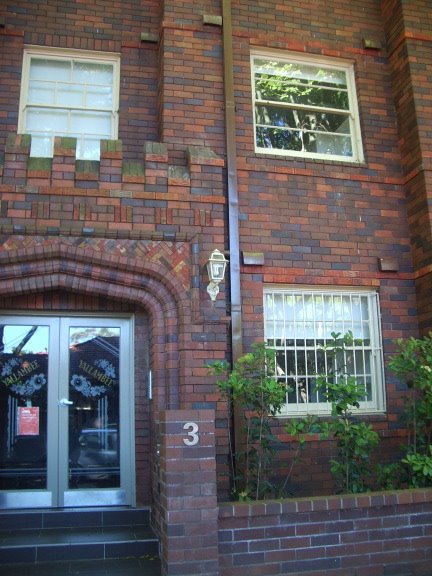
One of the stories that Rose Bay locals like to tell concerns a Japanese submarine and the damaged aluminium saucepan. It was taken from the kitchen of the place next door to where we've lived for the last four and a half years. It was demolished by a shell from the large Japanese submarine I-24. The I-24, which had launched the midget submarine in a famous attack on Sydney Harbour a week earlier, fired ten shells into the Sydney suburbs of Bellevue Hill, Woollahra, Rose Bay and Vaucluse on the night of 7-8 June 1942. The only one of these shells to explode fell outside the Yallambee Flats on Plumer Road, Rose Bay, where it caused considerable damage. Several slight injuries were suffered by civilians, and as a result, many residents of the Eastern Suburbs of Sydney took up temporary residence in safer locations such as the Blue Mountains of NSW.


                   Yallambee, 3 Plumer Road, today


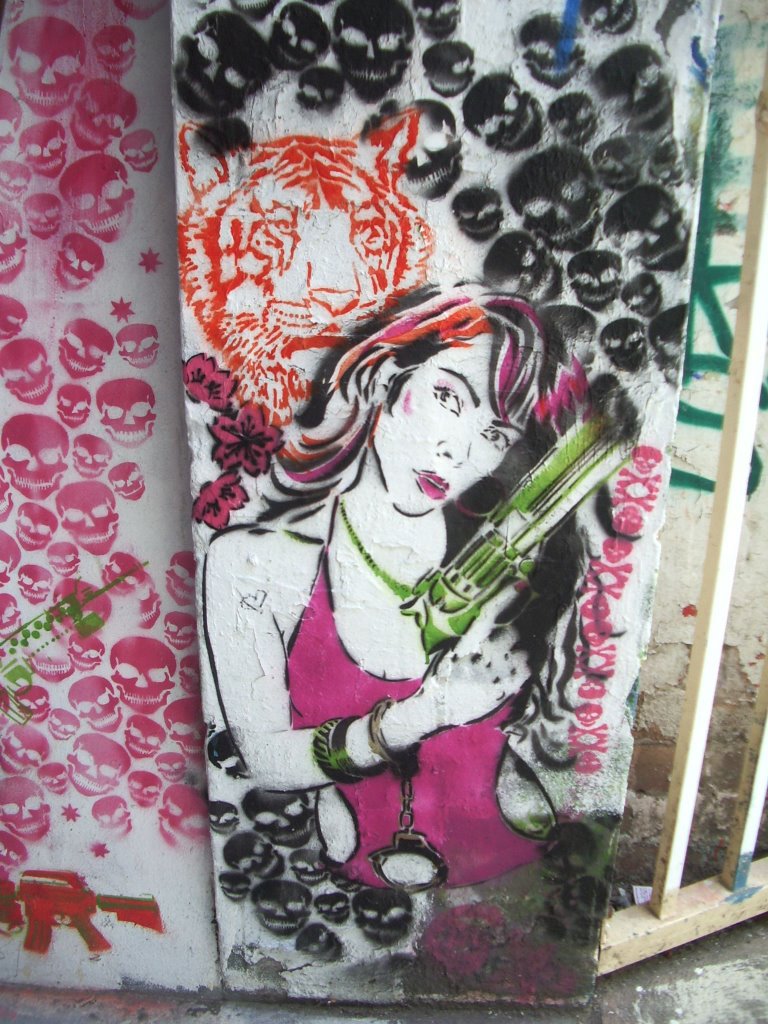
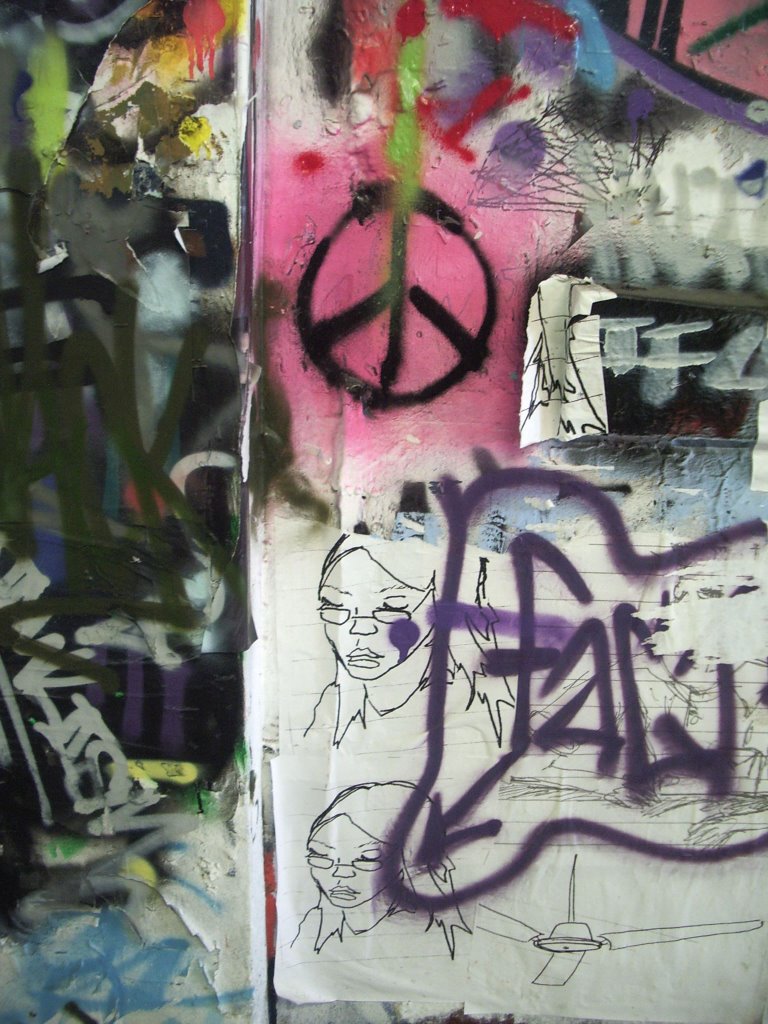
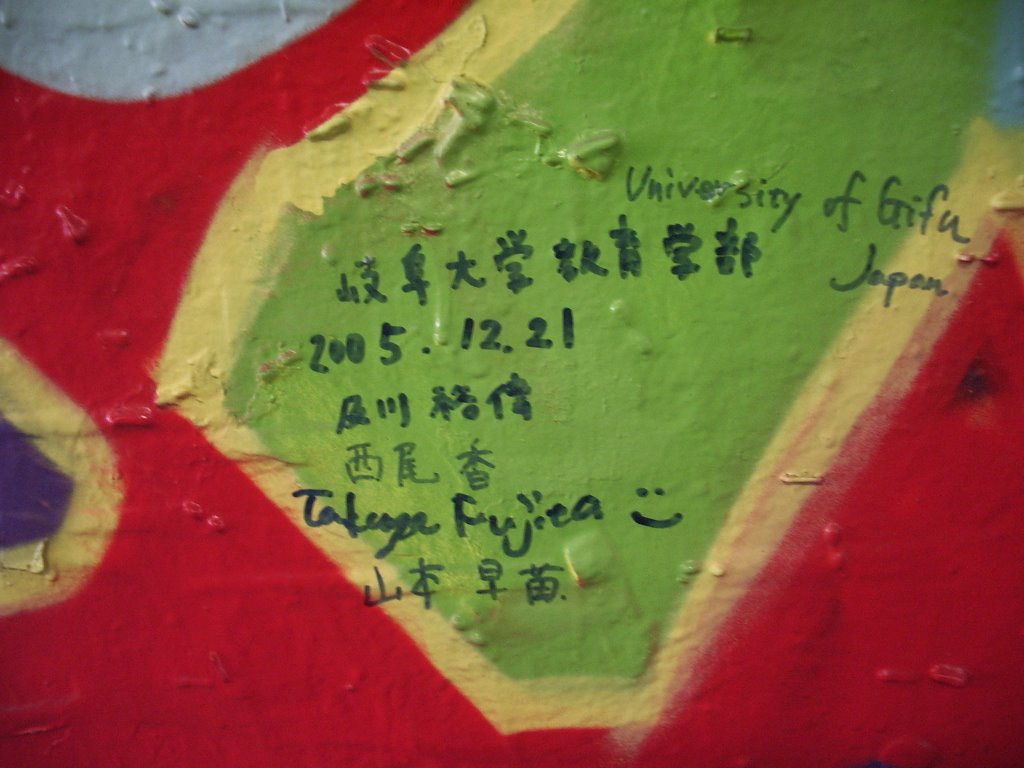
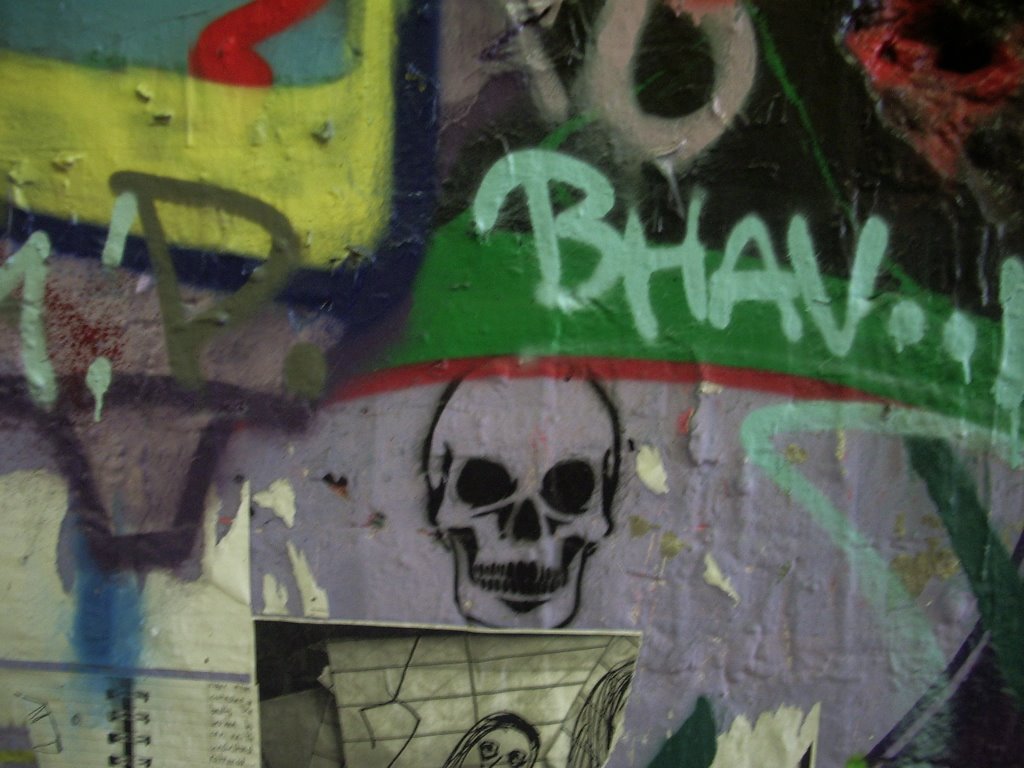
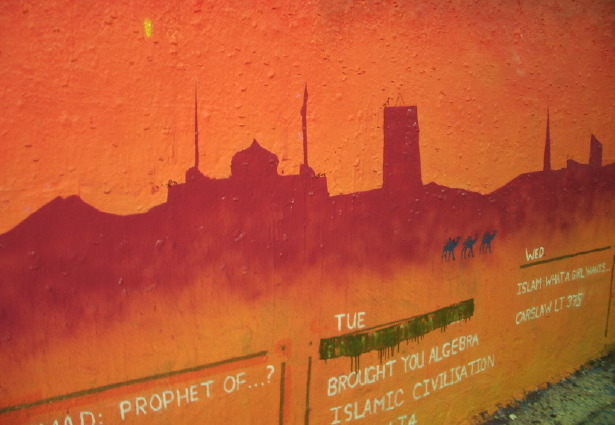
One way to enter the building at the University of Sydney that houses Badham Library, where I've worked for the past sixteen years is via the Graffiti Tunnel. I have been very fond of walking through this particular passageway and its ephemeral imagery.


             Graffiti Tunnel, University of Sydney, 2006

This time, we're moving south to Melbourne.


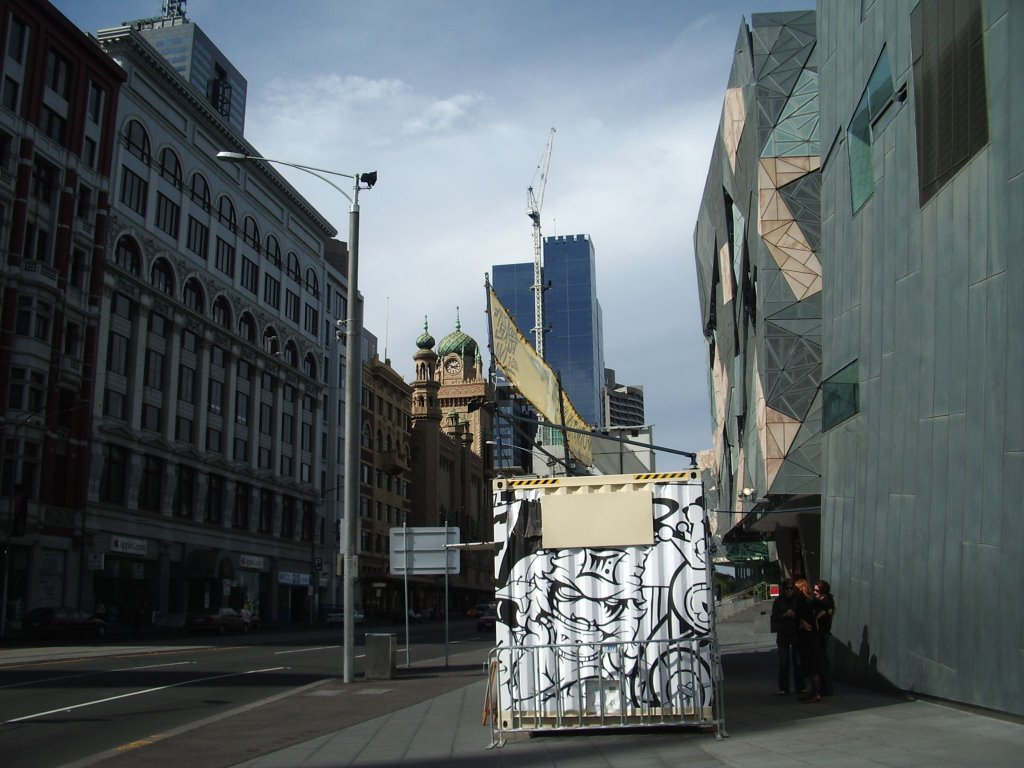
       A shipping container 'Art Box', Melbourne Arts Festival, 2005


A note to visitors to The Deletions - you can click on any images that appear on the blog if you want to see them in larger sizes.